
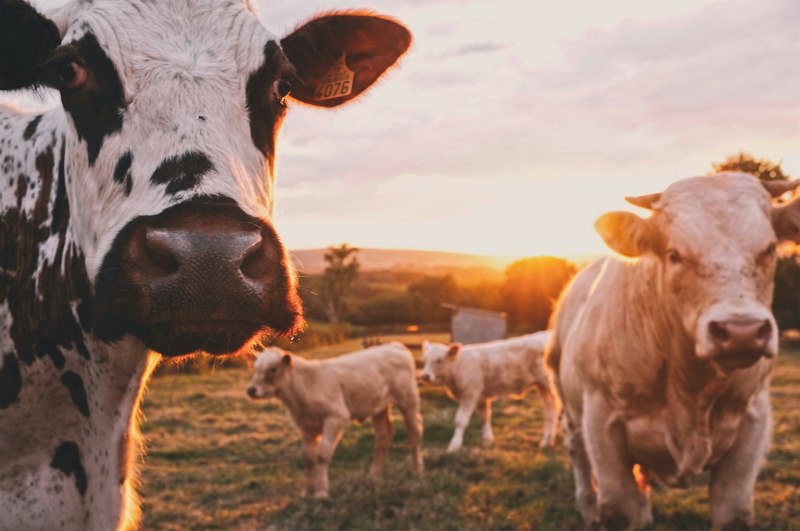
Animal forage
Rhodes Grass — Premium Hay for Export
Rhodes grass cut, dried and baled as export hay for dairy, horse and premium roughage markets.
What it’s for
Dairy farms use graded rhodes hay as higher-quality roughage when straw alone is too low in digestibility.
How it’s used
- Agree grade and cut. Specify moisture (often ≤12% for hay), weed limits and preferred bale format (round or square).
- Cure and bale carefully. Sun-curing and timely baling preserve leaf and colour. Avoid baling wet windrows.
- Store under cover. Protect from rain and ground moisture to prevent mould claims on arrival.
- Export with hay docs. Arrange phytosanitary certification for grass/hay products per importing-country rules.
Product Overview
Rhodes grass (Chloris gayana) is valued for palatability and digestibility relative to cereal straws. We manage cutting intervals, sun-curing and baling to preserve colour and leaf content where possible.
Grading considers moisture, weed content and bale integrity. Export programs include phytosanitary certification for hay and grass products per importing country rules.
Suitable for dairy farms, horse feed suppliers and distributors serving Middle East and Asian hay markets.
Indicative specs — confirm moisture, bale weight and container stuffing with our export team before contract.
Product FAQ
- Is rhodes grass better than wheat straw for dairy?
- Often more palatable and digestible, but priced higher. Many herds blend both — straw for bulk fibre and rhodes for quality.
- What packing works for containers?
- Square or compressed hay units suited to container doors and forklifts; confirm stuffing weights before sailing.
Related Products
Clean, dry wheat straw baled for ruminant roughage and feed compounders; export-ready with moisture checks before dispatch.
Moisture checkedBaledExport readyMOQ: contact for program size
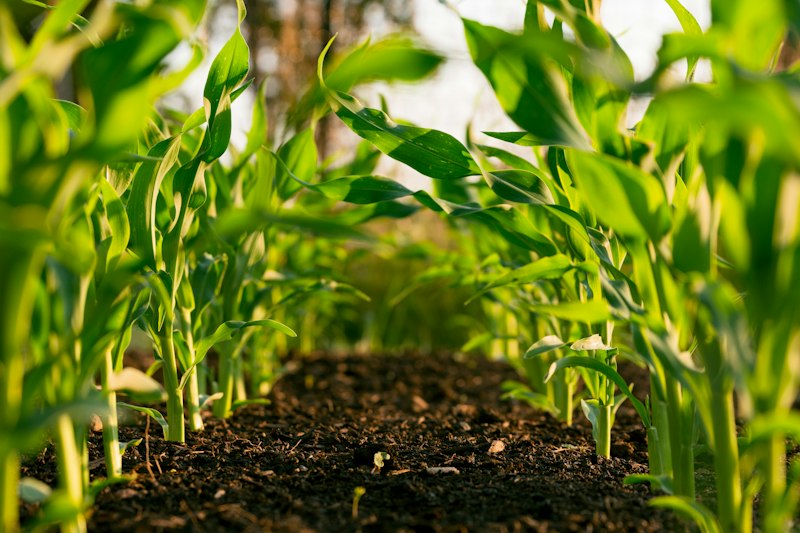
Corn silage for high-energy dairy rations; harvested and ensiled under controlled processes for domestic and export buyers.
Dairy gradeSeasonalMOQ: contact for program size